Strategic Property Research and Architectural Development in Piedmont
Italian Alps property investment is increasingly attracting the attention of international investors searching for authentic Alpine environments, historic architecture, and long-term value opportunities.
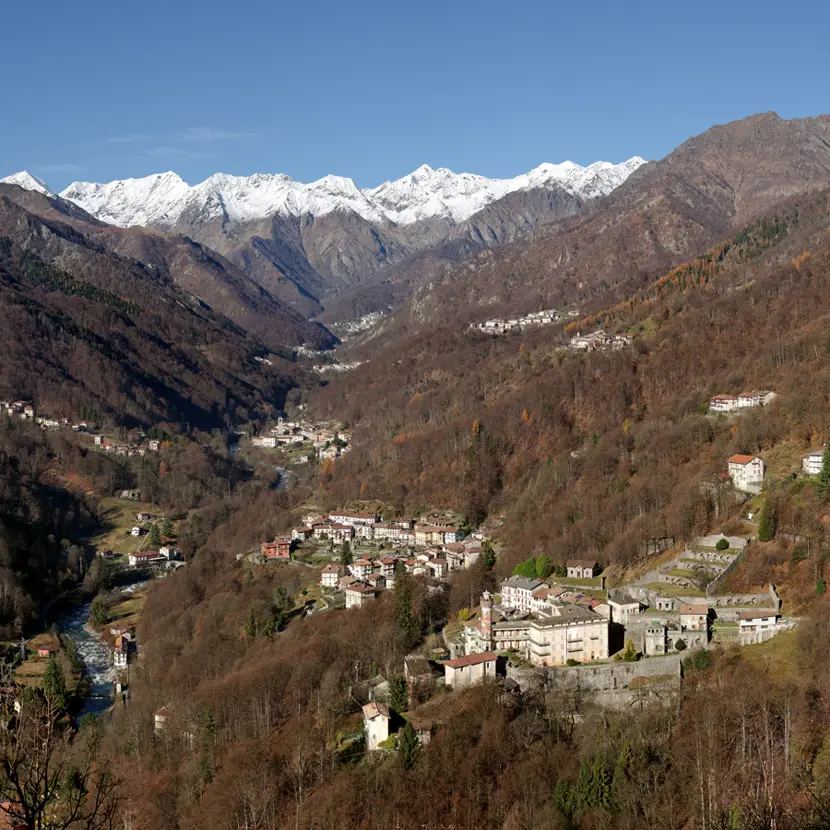
While many Alpine destinations have experienced decades of intense development and rising property prices, several territories in the Italian Alps of Piedmont remain relatively undiscovered. These landscapes — often described as part of the hidden Alps of Northern Italy — still offer exceptional properties at acquisition values significantly lower than those found in other Alpine regions.
Based in Biella, in the Alpine foothills between Turin and Milan, Francesca Chiorino Architettura provides specialized advisory services for Italian Alps property investment, combining territorial research, architectural expertise, and strategic development planning.
The studio supports investors throughout the entire process, from early property scouting to architectural transformation and long-term positioning of historic assets within the Alpine landscape. Core services include:
- Targeted property scouting across Alpine valleys
- Investment feasibility studies and valuation analysis
- Heritage and architectural assessment
- Adaptive reuse strategies for historic buildings
- Full architectural development and site supervision
For investors interested in historic villas, rustic farmhouses, or mountain retreat properties, the Piedmont Alps represent one of the most promising emerging markets within the European real estate sector.
Why Italian Alps Property Investment Is Gaining Attention
Over the past decade, international interest in Italian Alps property investment has steadily increased. Several structural factors contribute to this growing attention:
- Rising prices in major Alpine resorts
- Growing demand for authentic rural environments
- Increasing interest in boutique hospitality and mountain retreats
- Appreciation for historic architecture and landscape heritage
In this context, the Alpine territories of Piedmont offer a particularly compelling opportunity. Compared with other regions of the Alps — including Switzerland, Austria, and the French Alps — this area remains significantly less developed, preserving the character of authentic Alpine villages, historic farmhouses, and traditional stone architecture.
Investors can still discover rustic stone buildings, historic estates, and alpine farmhouses with spectacular mountain views, often surrounded by forests, pastures, and traditional agricultural landscapes. This combination of architectural heritage, natural beauty, and relatively accessible entry costs creates an ideal environment for long-term Italian Alps property investment strategies.
Key Property Types in Italian Alps Property Investment
Within the Piedmont Alps, several categories of properties offer particularly interesting investment potential.
Historic Villas in the Alpine Foothills
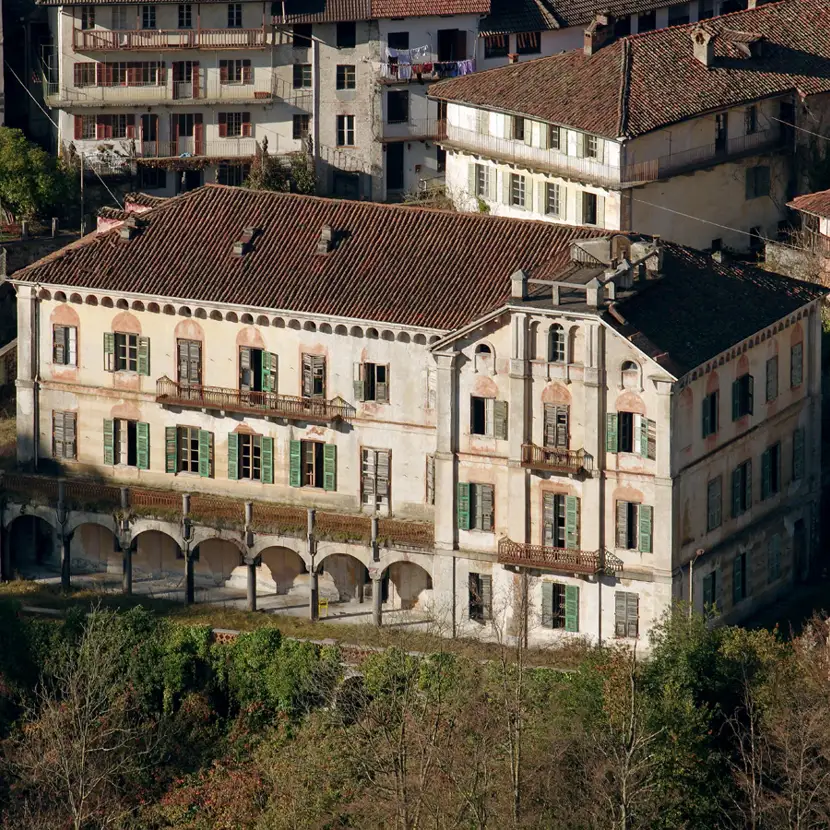
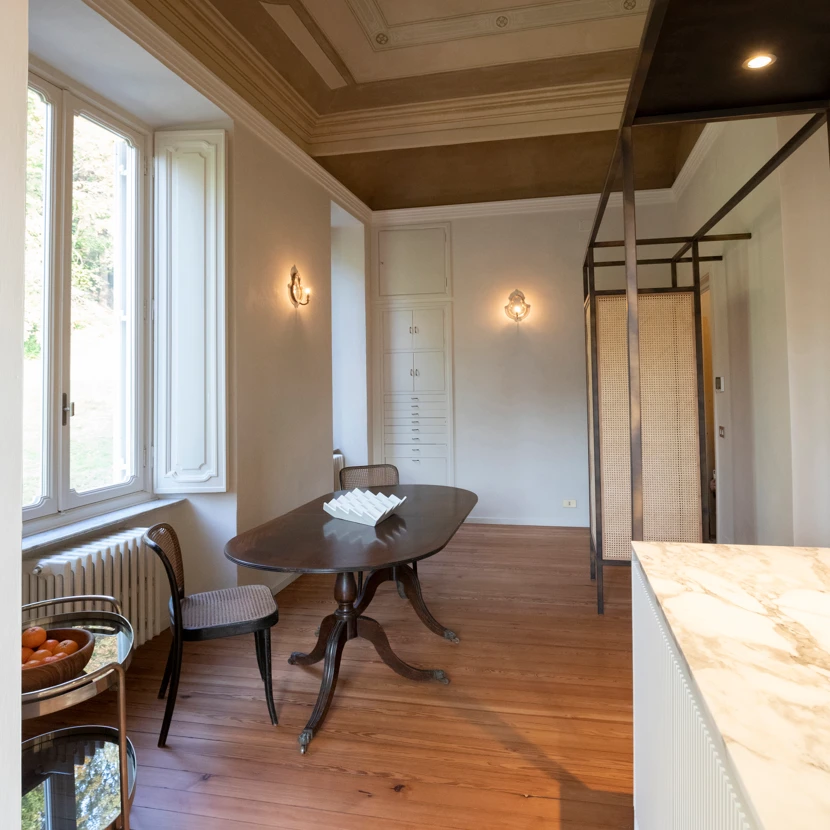
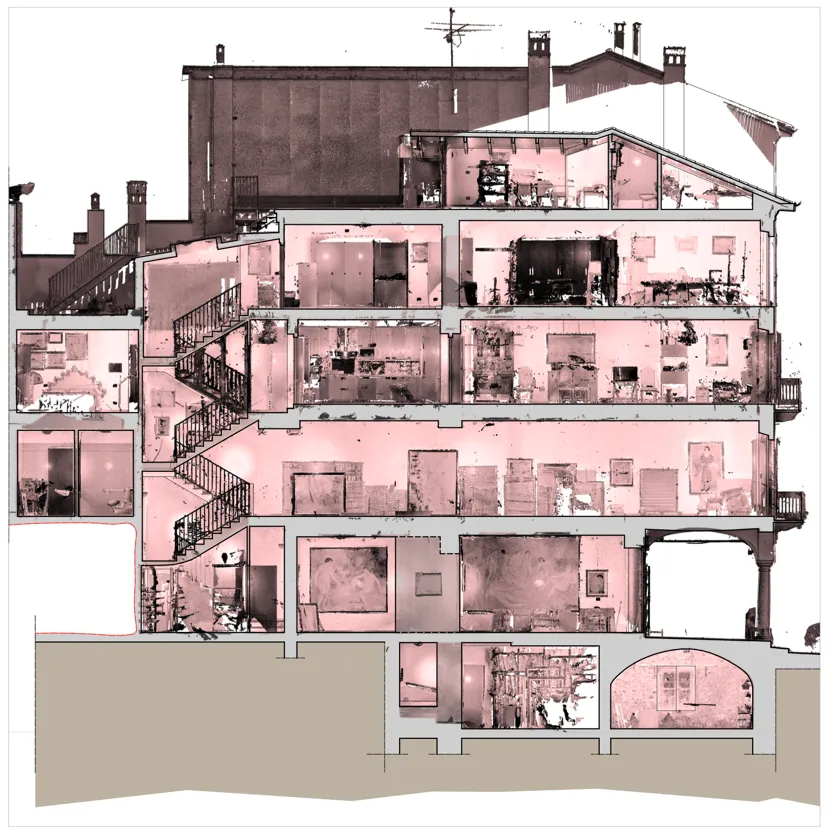
One of the most refined segments of Italian Alps property investment involves historic villas located on the hills surrounding the Alpine valleys. These estates were often built during the late nineteenth and early twentieth centuries by industrial families from Northern Italy. Today they represent remarkable examples of historic residential architecture. Typical features include:
- Grand reception halls and staircases
- Decorated façades and interior frescoes
- Italian-style gardens and terraces
- Extensive private parks
- Secondary service buildings and guest houses
Many of these historic villas enjoy panoramic mountain views while remaining within easy reach of major urban centers such as Turin and Milan. For investors, these properties offer several repositioning possibilities:
- Prestigious private residences
- Cultural foundations or event venues
- Boutique hospitality properties
- Exclusive mountain retreat estates
Careful restoration can preserve the historic identity of the architecture while enhancing functionality and long-term value.
Industrial Heritage with Development Potential
Another distinctive aspect of Italian Alps property investment is the presence of historic industrial complexes, particularly in the Biella region. This territory once formed one of the most important textile districts in Europe, leaving behind an extraordinary architectural legacy of mills, factories, and industrial compounds. These buildings often offer:
- Large interior volumes
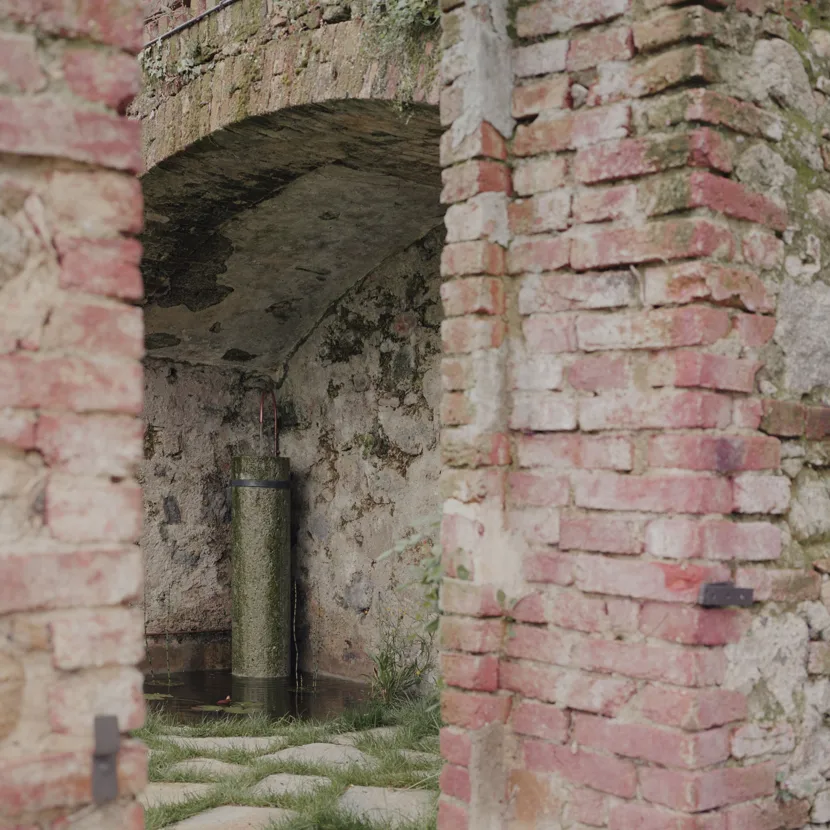
- Robust stone and brick structures
- Strategic locations near rivers or valley infrastructure
- Substantial development potential
Through adaptive reuse strategies, these former industrial structures can be transformed into:
- Hotels and destination hospitality projects
- Wellness centers and spas
- Creative campuses and co-working hubs
- Senior living residences with shared services
- Educational or cultural facilities
When carefully reinterpreted, industrial heritage architecture can become the foundation for unique mountain retreat destinations that combine historic character with contemporary design.
Rustic Alpine Farmhouses and Mountain Chalets
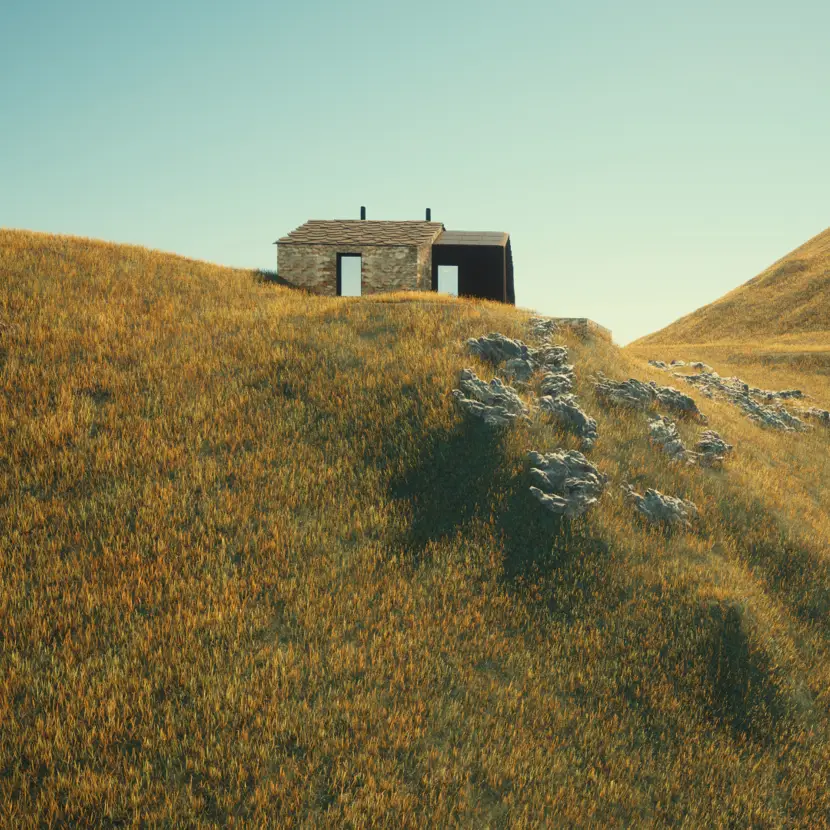
Perhaps the most evocative category of Italian Alps property investment involves traditional alpine farmhouses and rustic stone buildings located between 800 and 1300 meters above sea level. These historic rural properties were originally used for agricultural activities linked to mountain pastures and seasonal livestock migration. Today, many of them offer exceptional opportunities for architectural restoration and hospitality development. Typical characteristics include:
- Thick stone walls and timber structures
- Traditional alpine roofs in stone or wood
- Panoramic terraces and balconies
- Surrounding meadows and forests
- Proximity to small authentic villages
When restored with sensitivity to the local architectural tradition, these rustic farmhouses can become extraordinary mountain retreat properties. Possible uses include:
- Private Alpine residences
- Boutique guest lodges
- Diffused hotels within historic villages
- Eco-hospitality and rural tourism projects
The charm of these properties lies in their combination of historic architecture, natural landscape, and authentic Alpine culture. For investors seeking distinctive assets, they represent one of the most compelling opportunities in Italian Alps property investment.
The Value of the Hidden Alps of Piedmont
Many Alpine destinations in Europe have become highly developed over the past decades. In contrast, several valleys of the Piedmont Alps remain relatively untouched by large-scale tourism infrastructure. These territories preserve:
- Historic rural landscapes
- Traditional agricultural systems
- Small authentic mountain villages
- Forests, rivers, and high alpine pastures
For investors, this environment offers a rare possibility: acquiring historic properties within preserved Alpine territories where future development remains controlled and landscape quality remains high. This is why the region is increasingly described as part of the hidden Alps — a portion of the Alpine arc where architectural heritage and landscape integrity remain largely intact.
As international interest in sustainable tourism and authentic travel experiences continues to grow, these territories may become increasingly attractive for boutique hospitality and mountain retreat developments.
Why Invest in the Piedmont Italian Alps Today
Several structural factors make the current moment particularly favorable for Italian Alps property investment in Piedmont:
- Acquisition prices in many Alpine valleys remain significantly lower than in other parts of Northern Italy or the broader Alpine region.
- The area benefits from excellent accessibility. Turin International Airport and the metropolitan infrastructure of Milan are both within relatively short travel distance from many Alpine valleys.
- The region possesses an extraordinary concentration of historic buildings, rural stone architecture, and traditional farmhouses, many of which remain underutilized.
- There is increasing global demand for authentic mountain destinations, particularly among travelers seeking nature, culture, and architectural heritage rather than mass tourism environments.
For long-term investors, these conditions create a unique opportunity to acquire and transform historic properties before the broader market fully recognizes their potential.
Integrated Advisory for Italian Alps Property Investment
Successful Italian Alps property investment requires a combination of territorial knowledge, architectural expertise, and strategic planning. Francesca Chiorino Architettura offers an integrated advisory process designed specifically for investors interested in historic Alpine properties. The process typically includes:
- Targeted property scouting across selected Alpine valleys
- Strategic valuation and feasibility assessment
- Heritage and architectural analysis
- Development scenarios and repositioning strategies
- Architectural design and restoration
- Site supervision and implementation
Each project is approached as a long-term architectural intervention within the Alpine landscape, where historic heritage, rustic architecture, and mountain environments converge.
The objective is not simply property acquisition, but the creation of distinctive assets — historic villas, restored farmhouses, and refined mountain retreats — capable of generating cultural, architectural, and economic value over time.
Arch. Francesca Chiorino
Tel. +39 347 5229577
fc@francescachiorino.it
www.francescachiorino.it
Property Renovation Consultant Italy
Buy Historic Property in the Italian Alps and Restore It
Second Home Investment in the Italian Alps
Cookie Policy | © 2026 Francesca Chiorino Architettura